
Stretch, Sleep, Breathe, Protect, Connect
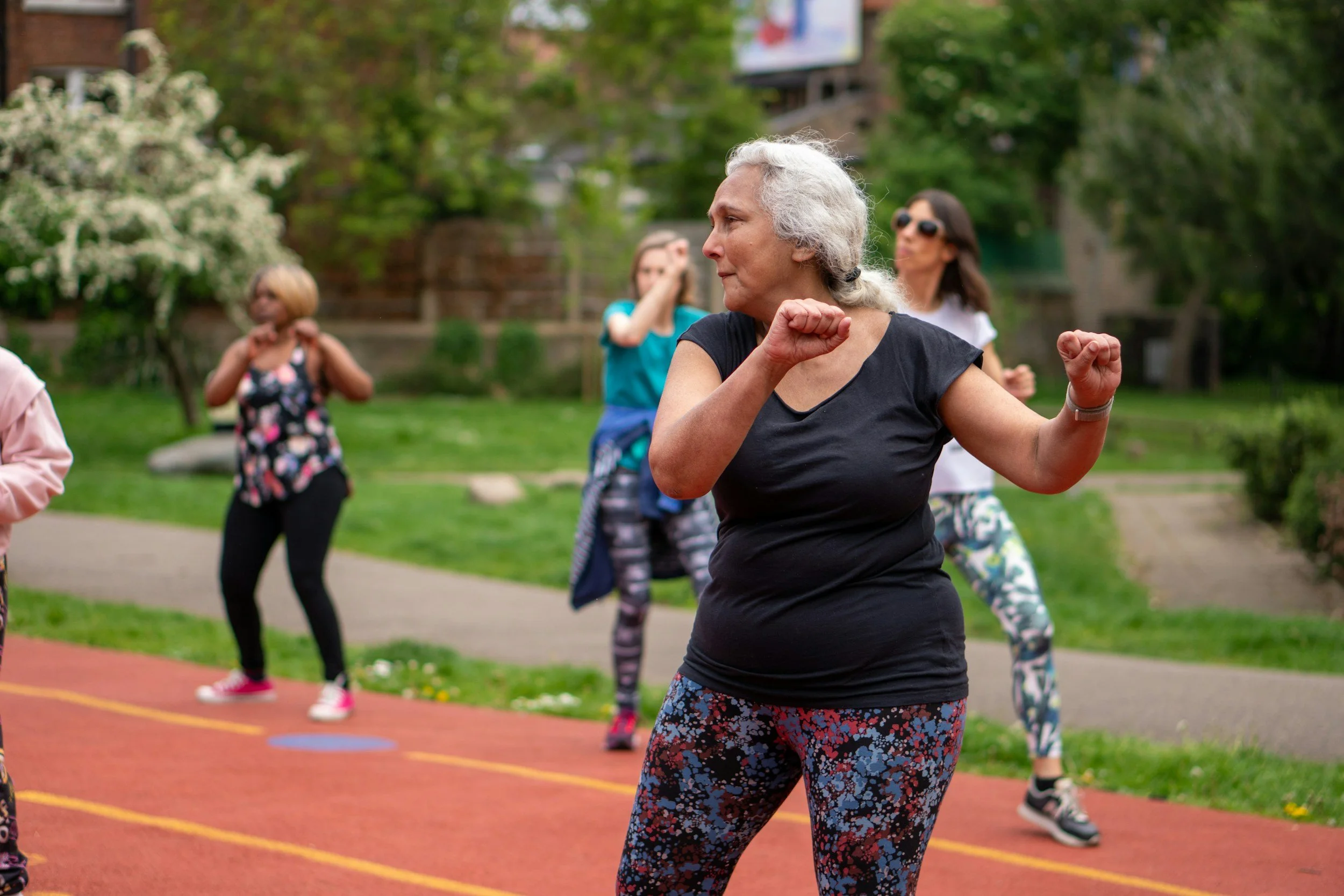
Adults balancing work, family, and stress, seniors protecting mobility and independence, and inclusive fitness beginners with rehabilitation support needs often run into the same wall: most wellness advice assumes a pain-free body, extra time, and a gym routine that feels out of reach. When energy is low or joints are sensitive, even “simple” plans can feel like too much, and progress starts to seem like an all-or-nothing project. Head-to-toe wellness strategies don’t have to be intense to count, because the body responds to steady, gentle signals of care. Daily holistic health habits can build comfort, confidence, and everyday energy.
Quick Summary and Key Takeaways
Add gentle daily stretching to improve flexibility, reduce stiffness, and support whole-body mobility.
Build a calming bedtime routine with strong sleep hygiene to protect energy, mood, and recovery.
Practice simple mindfulness each day to reduce stress and feel more grounded.
Maintain daily skin care and oral hygiene to support comfort, confidence, and overall health.
Prioritize steady hydration and social connection to boost mental health and daily well-being.
Build Your Daily Routine: Stretch, Sleep, Breathe, Protect, Connect
Small routines are the easiest way to turn wellness into something you actually do, not just something you think about. Use the quick habits from the 60-second plan as your “daily basics,” then make them a little more automatic with the ideas below.
Start with a 3-minute morning stretch “sequence”: Do 30–45 seconds each of gentle neck turns, shoulder rolls, chest opener (hands behind back or against a doorway), seated or standing hamstring stretch, and ankle circles. Keep the effort at about a 3/10, no sharp pain, no bouncing, so it supports stiffness, arthritis, or rehab needs. This works because it warms up joints and reminds your brain that movement is safe, which can make your later walk or workout feel easier.
Build a realistic sleep routine with one anchor time: Pick one non-negotiable anchor, either a consistent wake time or a consistent “lights out” time, and hold it most days of the week. Add a 20–30 minute wind-down: dim lights, prep tomorrow’s clothes/meds, and do a low-stimulation activity like reading or gentle stretching. If you wake at night, keep the response boring and quiet (low light, no clock-watching) so your body relearns that nighttime is for resting.
Use a 2-minute breathing reset (especially for pain or stress): Try “in for 4, out for 6” breathing for 8–10 rounds while sitting tall with feet on the floor. Longer exhales nudge your nervous system toward a calmer gear, which can lower tension that fuels headaches, jaw clenching, or shoulder tightness. If meditation feels intimidating, make it practical: breathe, feel your feet, and label one sensation you notice (warm hands, tight calves, relaxed jaw).
Cleanse + moisturize right after washing to protect your skin barrier: Use lukewarm water and a gentle cleanser on face and body, then pat (don’t rub) and apply moisturizer within a few minutes while skin is still slightly damp. Put moisturizer near the sink or shower so it’s automatic, and add sunscreen to any skin that sees daylight (face, neck, hands). This matters because dry, irritated skin can itch, crack, and become more sensitive, especially as we age or when mobility limits bathing routines.
Make oral care “structured,” not optional: Brush for two minutes morning and night, and attach flossing to a specific moment (right after brushing, or before bed while seated). If grip is an issue, wrap floss around two fingers for control or try floss picks; if standing is tiring, sit at the sink. A simple structure helps because consistency is what protects gums and reduces the chance that soreness or fatigue knocks the habit out.
Link hydration to an existing habit: Keep a water bottle where you spend time (by your favorite chair, walker, or desk) and refill it at the same times daily. Many people find it easier to drink a glass of water after each restroom trip, because the cue happens naturally throughout the day. If you’re limiting fluids for medical reasons, follow your clinician’s guidance and focus on consistency within that plan.
Strengthen one social connection per day (tiny counts): Choose one “daily touch”, a short phone call, a friendly check-in text, saying hello to a neighbor, or attending a gentle group class once a week. Make it specific: “I’ll call my sister during my afternoon tea,” or “I’ll chat with one person after my walking group.” Social routines support mood and motivation, and they’re often the secret ingredient that keeps the movement, sleep, and self-care habits going.
When you keep these habits small and repeatable, they start to feel like part of your day, something you can track by time of day and a simple check mark.
Small Daily Rituals That Stick
Habits matter because they turn your wellness plan into a dependable rhythm, especially when you are balancing pain, mobility limits, or rehab goals. When the steps are small and scheduled, you can build whole body wellness confidently without overdoing it.
Two-Check Habit Tracker
What it is: Use a simple tracker based on a habit tracking method with just two daily check marks.
How often: Daily
Why it helps: It reduces decision fatigue and makes consistency easier to see.
Protein-Plus Breakfast
What it is: Add one protein item and one colorful produce item to breakfast.
How often: Most days
Why it helps: It supports energy, steady appetite, and muscle maintenance.
Walk the Corners
What it is: Take a short walk inside or outside, turning four “corners” at an easy pace.
How often: Daily
Why it helps: It builds joint-friendly circulation and confidence with gait.
Seat-to-Stand Practice
What it is: Do 5 controlled chair stands using hands as needed.
How often: 3 times weekly
Why it helps: It improves leg strength for stairs, curbs, and transfers.
One Social Touchpoint
What it is: Schedule one conversation or group activity, since social-based interventions had a medium effect on global cognition.
How often: Daily or weekly
Why it helps: It can lift mood and keep you engaged with your routine.
Pick one habit this week and adjust it to fit your family’s schedule and needs.
Common Questions, Calming Answers
Q: What are some easy daily stretching routines to improve flexibility and reduce stiffness?
A: Try a 5 minute flow: gentle neck turns, shoulder rolls, seated side bends, ankle circles, and an easy calf stretch at a wall or countertop. Move slowly to a mild pull, not pain, and breathe out as you relax into each position. Pair it with a short walk for warmth and better joint comfort.
Q: How can I create a bedtime routine that consistently leads to better, more restorative sleep?
A: Set one predictable “wind-down” cue, like dimming lights 60 minutes before bed and keeping screens out of the bedroom. Add a warm shower, light stretching, and a consistent wake time to train your body clock. If worries spike at night, write a quick next-day plan so your brain can let go.
Q: What simple mindfulness or breathing exercises can help me manage daily stress effectively?
A: Practice box breathing: inhale 4 seconds, hold 4, exhale 4, hold 4, repeat for 2 to 3 minutes. You can also do a 30 second body scan, softening your jaw, shoulders, and hands. These quick resets help you respond to stress with more steadiness.
Q: How do regular skin and oral care habits contribute to overall health and well-being?
A: Daily skin care supports your body’s barrier, helping prevent irritation, cracks, and infections that can derail movement and sleep. Oral care reduces gum inflammation and discomfort, which can affect nutrition and confidence in social settings. If cost worries delay care, the reminder to utilize your health benefits can make preventive visits easier to schedule.
Q: What options are available for adults feeling stuck in their health or personal lives who want flexible ways to gain new skills and support a career change in healthcare?
A: Start by naming what you enjoy helping with: mobility support, coaching healthy habits, caregiving, or admin and coordination. Then compare flexible online learning paths and timelines, choosing a pace that protects your stress levels and routines. If you're exploring healthcare administration degrees online, it can help to think about your future in practical ways that reduce financial uncertainty.
Build Whole-Body Wellness by Keeping One Small Daily Habit
It’s easy to feel pulled between wanting better health and having limited time, energy, or confidence that changes will stick. A gentler approach, daily well-being integration guided by the mind-body connection benefits, turns this into a holistic health journey motivation built on sustainable wellness habits and personalized fitness planning. Over time, small routines begin to steady sleep, mood, mobility, and recovery because the body starts expecting care, not perfection. One tiny habit, repeated daily, becomes the strongest kind of progress. Choose one change and keep it for 14 days, then decide whether to continue, adjust, or swap it for something that fits better. That steady rhythm matters because it builds resilience and a calmer, more capable life.
Author :
Susan Treadway - susan.treadway@rehabholistics.com