OK, But Listen to This!

The Everyday Blueprint for Feeling Your Best: Practical Strategies to Strengthen Mind, Body, and Purpose

Well-being isn’t a static state—it’s a moving balance between body, mind, and purpose. In a world of constant stimulation, maintaining that balance can feel like chasing sunlight through clouds. The good news: small, consistent actions can restore clarity, energy, and joy.

Quick Takeaways

  • Focus on small, sustainable habits rather than big transformations

  • Movement, nourishment, and rest are non-negotiable

  • Social connection and purpose drive emotional stability

  • Reflection—through journaling or mindfulness—keeps you grounded

  • Change careers or environments when your growth plateaus

Mornings Are the Invisible Architect of Your Day

Start with rhythm, not rush. A slow, deliberate morning routine signals your nervous system that you’re in charge—not your phone.

Try this

  • Hydrate before caffeine

  • Expose yourself to natural light within 30 minutes of waking

  • Journal one line answering: “What do I need most today?”

  • Move—stretch, walk, or breathe for at least 5 minutes

Result → A 10-minute morning structure can lower cortisol spikes and enhance focus all day.

Career Alignment and the Art of Re-Choosing

Feeling stuck or unfulfilled at work is a signal, not a flaw. Many people experience burnout simply because their daily tasks no longer align with their deeper values. Changing careers can be the most empowering act of self-care. If your current field leaves you uninspired, consider exploring new directions where your strengths meet curiosity.

Today’s online degree programs make it possible to study on your own schedule—whether you’re balancing full-time work or caring for family. You can explore various business degrees to build transferable skills in accounting, communication, management, and entrepreneurship. Growth often begins the moment you dare to re-learn.

The Nutrition Trifecta: Simplicity, Consistency, and Color

Don’t chase diet fads. The evidence is simple—eat a variety of whole foods, mostly plants, with adequate protein.

Meal Strategy

Why It Matters

Example Habit

Whole + Minimal Processed

Reduces inflammation and energy crashes

Choose fruit over energy bars

Hydration Discipline

Supports metabolism and cognition

8–10 glasses/day

Color Spectrum Eating

Diverse nutrients support immunity

“Five-color rule” per plate

Result → Nutritional consistency strengthens both mood stability and immunity.

Body in Motion, Mind in Motion

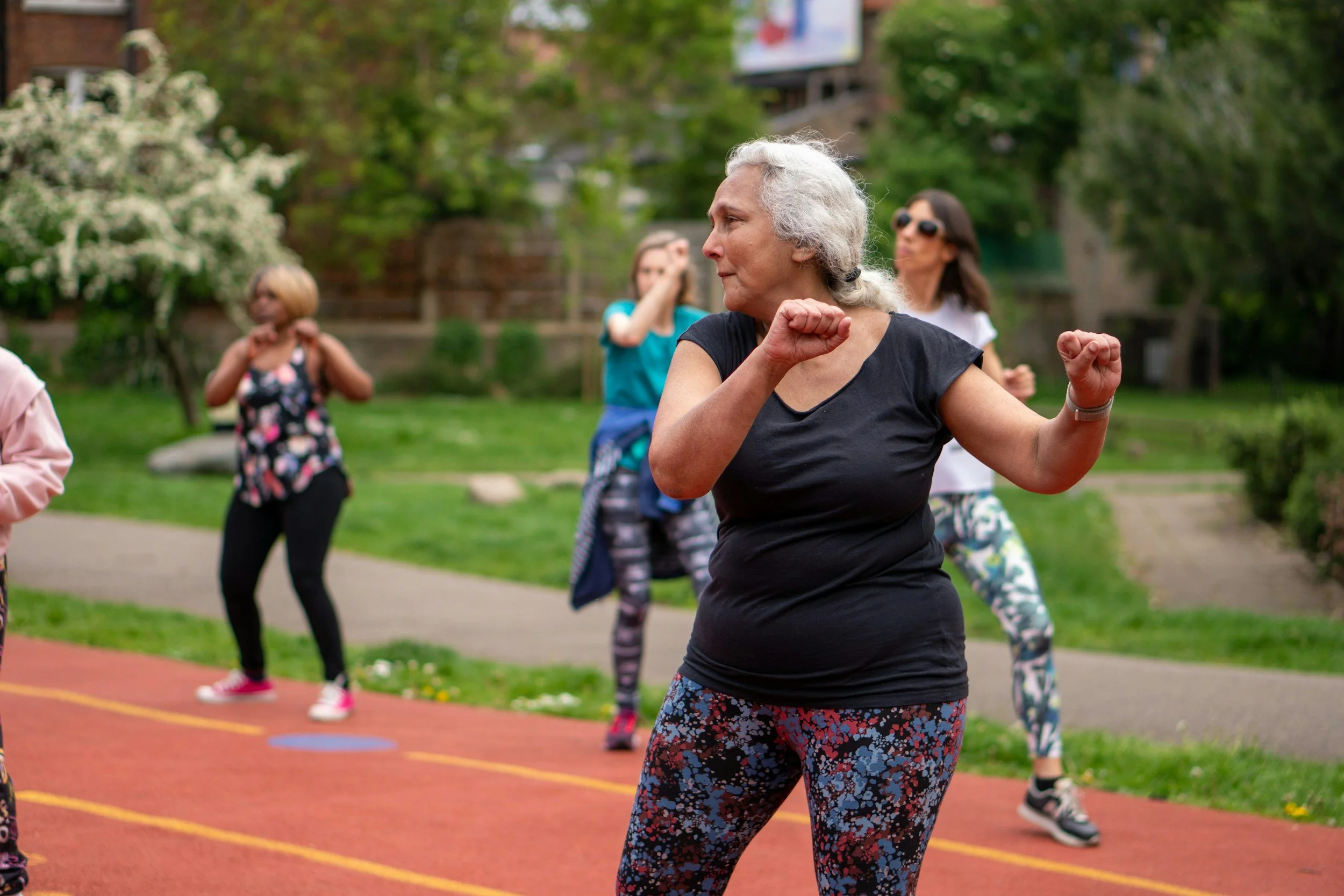
Movement isn’t about sculpting aesthetics—it’s about energy transfer. The human body was designed for motion, and motion is medicine.

Sustainable Movement

  • 20 minutes of physical activity daily (walking counts)

  • Add one “micro-movement” habit—take stairs, stretch between tasks

  • Pair exercise with music or podcasts you love

  • Rest intentionally—recovery days prevent burnout

Treat movement like brushing your teeth—essential hygiene for your nervous system.

The Mental Hygiene Playbook

Mental clutter drains the same energy you need for creativity and calm. Use this five-step cognitive reset:

  1. Name the Noise → Identify the thought loops consuming attention

  2. Externalize It → Journal or record it—get it out of your head

  3. Reframe the Lens → Ask, “Is this true, useful, or kind?”

  4. Breathe → Four-count inhale, six-count exhale; repeat five times

  5. Replace → Choose one constructive micro-action

Small reframing moments can cut mental fatigue by up to 30% according to cognitive-behavioral studies.

Reclaim Joy Through Connection

Humans are built for belonging. Relationships buffer stress and expand resilience.
Mix depth and lightness—both deep conversations and casual laughter nourish well-being.

Social Energy Audit

  • Who uplifts your energy?

  • Who drains it?

  • How often do you engage with your “core five” (the five people who matter most)?

Strong social bonds can predict longevity more than exercise frequency.

Sleep: The Forgotten Superpower

Sleep isn’t a passive activity; it’s active biological restoration. Without it, your memory, metabolism, and emotional regulation decline rapidly.

Simple Sleep Upgrades

  • Keep your bedroom dark and 65–68°F

  • Avoid screens 45 minutes before bed

  • Replace late scrolling with a short gratitude reflection

  • Wake at the same time daily—consistency trains your circadian rhythm

Improved mood, faster recovery, and clearer decision-making often appear within 7–10 days.

Purpose as the Long Game

Without meaning, even good habits flatten into routines. Purpose acts like emotional gravity—it keeps your choices coherent. You don’t need a grand mission; start by asking:
“What small act today connects me to something larger than myself?”

Whether it’s mentoring someone, creating art, or volunteering, purpose shifts your nervous system from survival to growth mode.

FAQ — Common Questions About Everyday Well-Being

What’s the fastest way to reset when I feel overwhelmed?
Step outside. Change your sensory input: breathe fresh air, look at the horizon, and move your body for two minutes.

How can I build healthier habits if I constantly fall off track?
Shrink the goal until it’s laughably easy. Success builds identity; identity sustains habit.

Are supplements necessary?
Food first. Supplements can fill gaps (e.g., Vitamin D, Omega-3) but should not replace nutrient-dense meals.

How long does it take to feel better?
Measurable shifts—better sleep, steadier mood, improved focus—often appear within two weeks of consistent change.

The Micro-Reset Routine

  1. Stop what you’re doing and close your eyes

  2. Breathe—three slow cycles in and out through the nose

  3. Sense—name one sound, one texture, one color around you

  4. Decide—choose one next action aligned with calm, not urgency

Practicing this once per hour resets both focus and physiology.

Conclusion

Well-being isn’t built overnight—it’s built every morning, meal, and mindful pause. The secret isn’t control; it’s awareness. When you nurture sleep, movement, nourishment, connection, and purpose, you give your life texture and strength. Start with one change today; let small consistencies compound into a life that feels like your own again.

Author :

Susan Treadway - susan.treadway@rehabholistics.com

Work With Us